
It is one of the most common questions homeowners ask before opening a paint can: do I really need primer?
Some paint products advertise built-in primer. Others claim full coverage in one coat. But in Massachusetts homes, especially older properties in Gardner, the answer is rarely that simple.
Whether you are planning full interior repainting or touching up a room, understanding when primer is necessary can prevent peeling, uneven color, and wasted money.
Let’s break it down in practical terms.
What Primer Actually Does
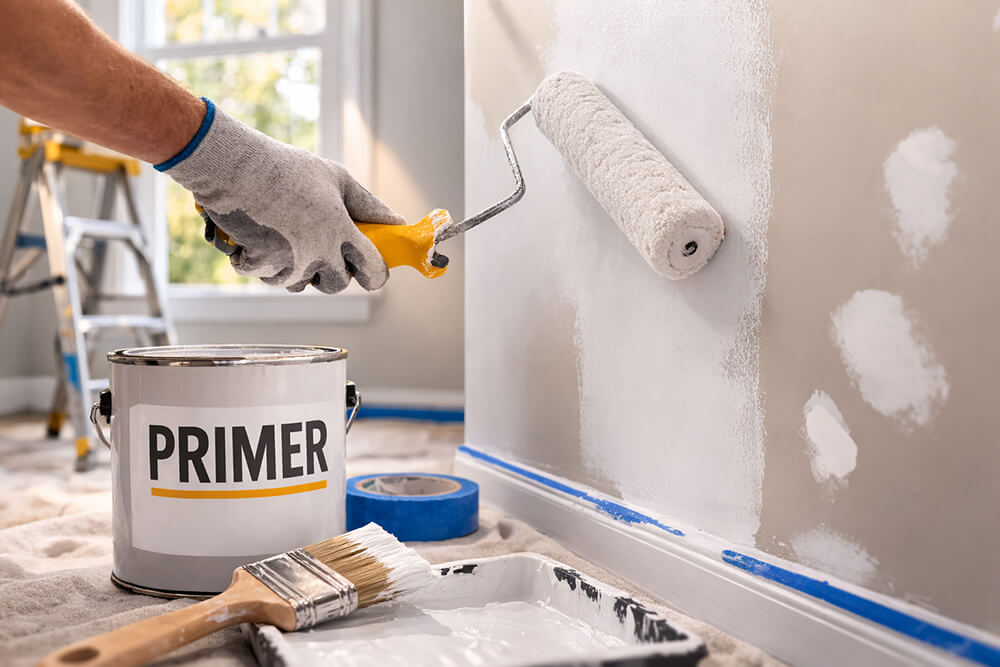
Primer is not just a base coat. It serves three main purposes:
1. Improves paint adhesion
2. Blocks stains and discoloration
3. Creates an even surface for color consistency
Without primer, paint may soak unevenly into drywall, plaster, or patched areas. This is especially common during House Wall Painting in Gardner MA, where older wall surfaces may not be uniform.
When Primer Is Absolutely Necessary
There are specific situations where skipping primer usually leads to problems.
1. New Drywall or Fresh Repairs
Bare drywall absorbs paint unevenly. Primer seals the surface so topcoat color looks consistent.
2. Covering Dark Colors
Switching from deep shades to lighter tones almost always requires primer for full coverage.
3. Water Stains or Smoke Damage
Primer blocks stains from bleeding through fresh paint.
4. After Wallpaper Removal
Adhesive residue and surface damage require sealing before painting.
If you are dealing with that situation, this guide explains what to expect:
Can You Paint After Removing Wallpaper? Tips for MA Homeowners
Massachusetts Homes Have Unique Surface Challenges
Gardner has many older homes built before modern drywall standards. Plaster walls, patch repairs, and multiple previous paint layers are common.
In pre-1978 homes, extra care must be taken if sanding or scraping old paint due to federal and Massachusetts lead-safe regulations. Contractors disturbing painted surfaces must follow EPA Renovation, Repair, and Painting guidelines.
If you are unsure about compliance or contractor qualifications, this resource clarifies it:
Do you need any certifications to be a painter in Massachusetts?
Understanding these rules protects both your home and your health.
When You Might Be Able to Skip Primer
There are cases where primer may not be required:
- Repainting with the same color
- Previously painted walls in good condition
- Minor touch-ups without repairs
However, skipping primer to save time can sometimes lead to additional coats later. Many experienced wall painters in Gardner MA evaluate the wall condition before deciding.
What Happens If You Skip Primer When You Shouldn’t?
Homeowners often notice:
- Patchy or dull finish
- Uneven sheen
- Peeling within a few years
- Visible repair spots
These problems usually cost more to fix than the price of primer.
If you want to avoid repainting too soon, this article adds helpful insight into surface prep:
Before you repaint: 5 quick checks to avoid another paint disaster in Massachusetts
Proper preparation reduces repeat work.
Does Primer Affect Longevity?
Yes. Primer strengthens adhesion, which extends the lifespan of paint. In Massachusetts, seasonal humidity and temperature changes can stress interior surfaces. Primer helps stabilize the bond between wall and paint.
Professional House wall painting contractors in Gardner MA often recommend priming not because it adds cost, but because it reduces callbacks and premature failure.
A Practical Way to Decide
Instead of asking “Do I have to prime?”, ask:
- Is the surface new or repaired?
- Am I changing colors significantly?
- Are there stains or damage present?
- Is the wall older plaster?
If you answer yes to any of these, primer is usually a smart move.
Final Thoughts
Primer may not be the most visible part of a paint project, but it often determines how the finished walls look months and years later.
If you would like guidance on whether priming is necessary for your Massachusetts home, contact us today to discuss your project and ensure your walls are prepared properly.